Required Certifications and Licenses for Remotely Piloted Aerial Application Systems
Spray drones, officially known as Remotely Piloted Aerial Application Systems (RPAAS)
are here and increasingly a common site in our production fields. These aircraft can
treat areas that are otherwise difficult to access by traditional manned equipment
and do it semi-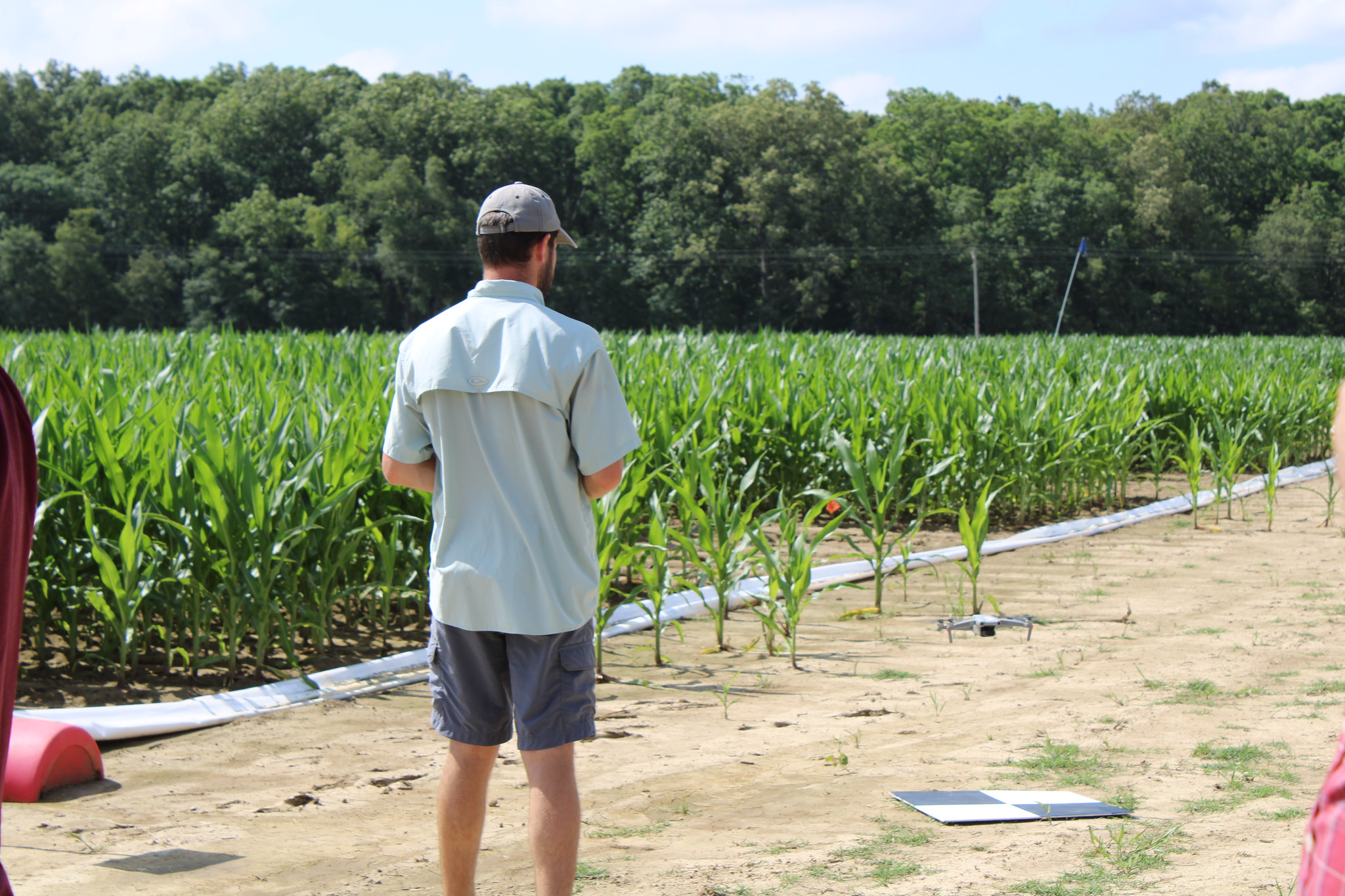 autonomously! While this technology represents a significant step forward in on farm
automation, currently, there is always a pilot/applicator nearby, supervising operations.
Safe, responsible, and effective applications of pesticides and fertilizers still
fall on the shoulders of these applicato
autonomously! While this technology represents a significant step forward in on farm
automation, currently, there is always a pilot/applicator nearby, supervising operations.
Safe, responsible, and effective applications of pesticides and fertilizers still
fall on the shoulders of these applicato
Drones, including RPAAS, are considered aircraft by the FAA and the Arkansas Department of Agriculture. RPAAS applications are aerial applications and must follow the aerial application section of Federal label as well as comply with any applicable State laws and rules. Anyone operating RPAAS systems is required to hold the following applicable certifications.
RPAAS applications made for hire (commercial operations) require the following:
- Commercial Firm License with aerial category, including insurance.
- Individual Commercial License with aerial category and other applicable categories needed (i.e., agriculture plants)
Private applicators using RPAAS to make applications on their own land must comply with licensing requirements and must hold:
- Private Applicator with pilot
Authorization FAA requirements for private and commercial operations
- Pilot license under FAA Part 107 (drone)
- Part 137 Dispensing Chemicals and Agricultural Products via UAS
- Section 44807 waiver - Special Authority for Certain Unmanned Aircraft Systems (over 55 lbs.)
Jason Davis PhD.
Assistant Professor of Remote and Pesticide Application
University of Arkansas Systems Division of Agriculture jdavis@uada.edu
(501)749-2077
Susie Nichols
AGRI SECTION MANAGER
Arkansas Department of Agriculture
Susie.Nichols@agriculture.arkansas.gov
(501)2251598