Start Scouting and Relieve Rice from Rice Blast
Leaf blast in Arkansas starts mostly in the 2nd or 3rd week of June. Frequent rain, gloomy/overcast skies are fit to the blast pathogen. The blast fungus spores germinate when leaf wetness lasts from 9 to 14 hours. Dew and fog in river valleys or low-lying grounds often last long. Tree shades particularly on the east side of a field favor blast conditions. Drought stress on levees, at field edges, or higher grounds in shallow flooded fields, serve as hot spots for spore production. Sandier soils that do not hold flood consistently often are liable to blast. Under any or combinations of these circumstances, susceptible or moderately susceptible rice to blast may get sick. Your field management particularly planting timing, seeding rates, and adequacy of nitrogen fertilization and other fertility factors play role in the severity level of the disease. Knowledge of your field history and attempts done on variety selection to match a field helps successful blast management.
The blast fungus
It is seed-, residue- and wind-borne. It is versatile and easily adaptable because it develops different races. It can infect rice throughout the season causing leaf blast at early stages, collar blast at the base of leaves, panicle blast as the panicle branches push out of the boot and neck blast or node blast.
Extent of damage
Up to 100% grain yield loss depending on the parts affected. Neck blast is the worst of all if no action is taken to rescue the crop and rescue should start early.
What to do
- Scout for the disease starting late tillering if your variety has an S or MS reaction to blast (Refer to the table at Rice Information Guide 2021 page 24 to learn about your variety reaction level.
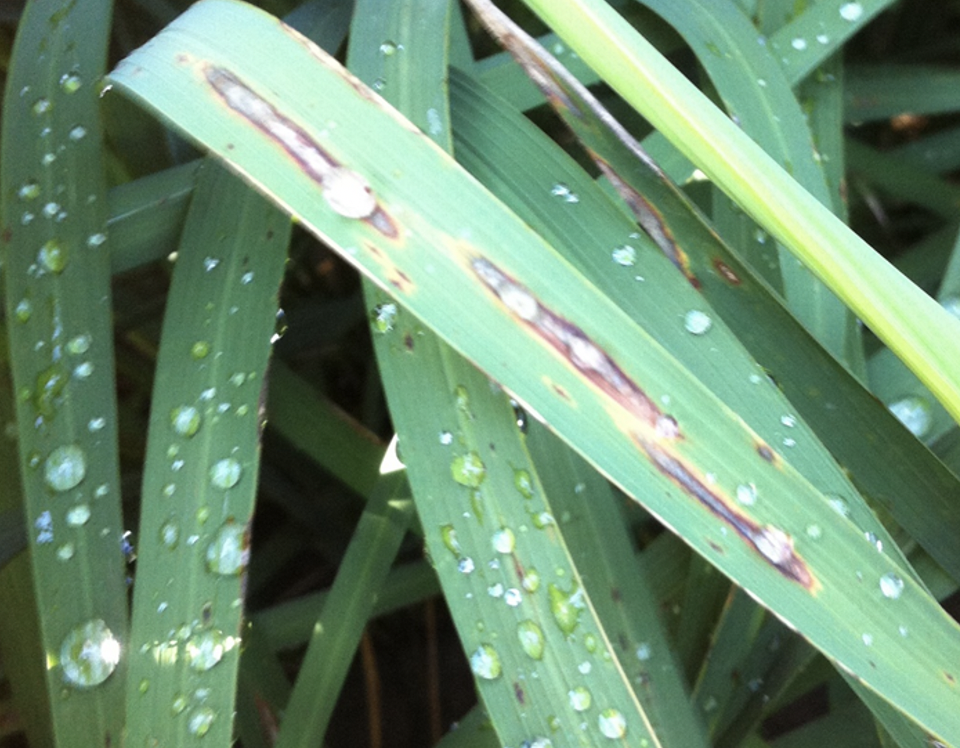
- Sometimes early detection could be difficult to diagnose as in Figure 1 or 2 and rice seedlings may be devastated if left with no action (Figure 3). When you scout, look for the typical diamond shaped lesions with ashy center on lower leaves close to the ground as in Figure 4. Sometimes diamond-shaped lesions (Figure 5) may coalesce as in Figure 6. Sometimes brown spot or drift from liberty herbicide get confused to leaf blast.
- Once the symptoms are confirmed as leaf blast, raise flood depth to at least 4 inch and keep it consistent. This action helps to reduce spore production that may cause new infection. Moreover it eases drought stress on rice increasing its field tolerance. Fungicides are not recommended to suppress leaf blast in flooded rice. However, spot application in areas where seedlings are dying due to leaf-burn may be carried out. If blast susceptible rice are cultivated under furrow-irrigation, not using fungicides may not be optional.
Fig. 1. Early lesions leaf blast before sporulation.
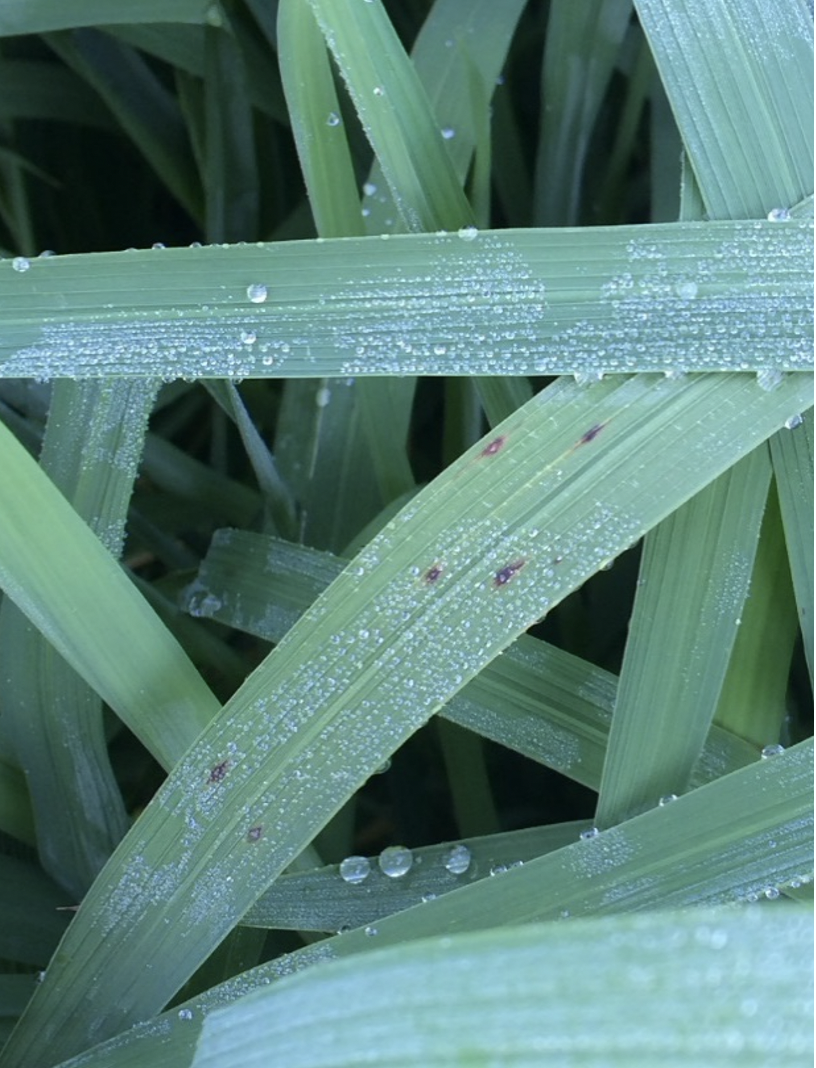
Fig. 2. Early lesions blast which may be confused to brown spot
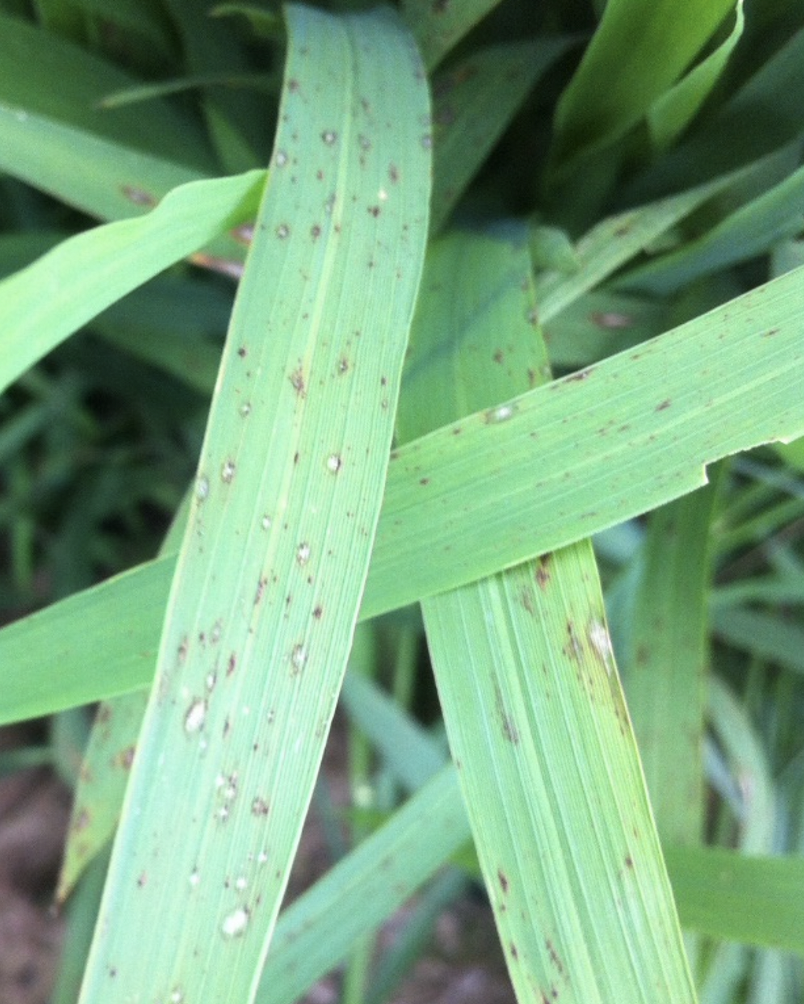
Fig. 3 Seedling death due to rice leaf blast.
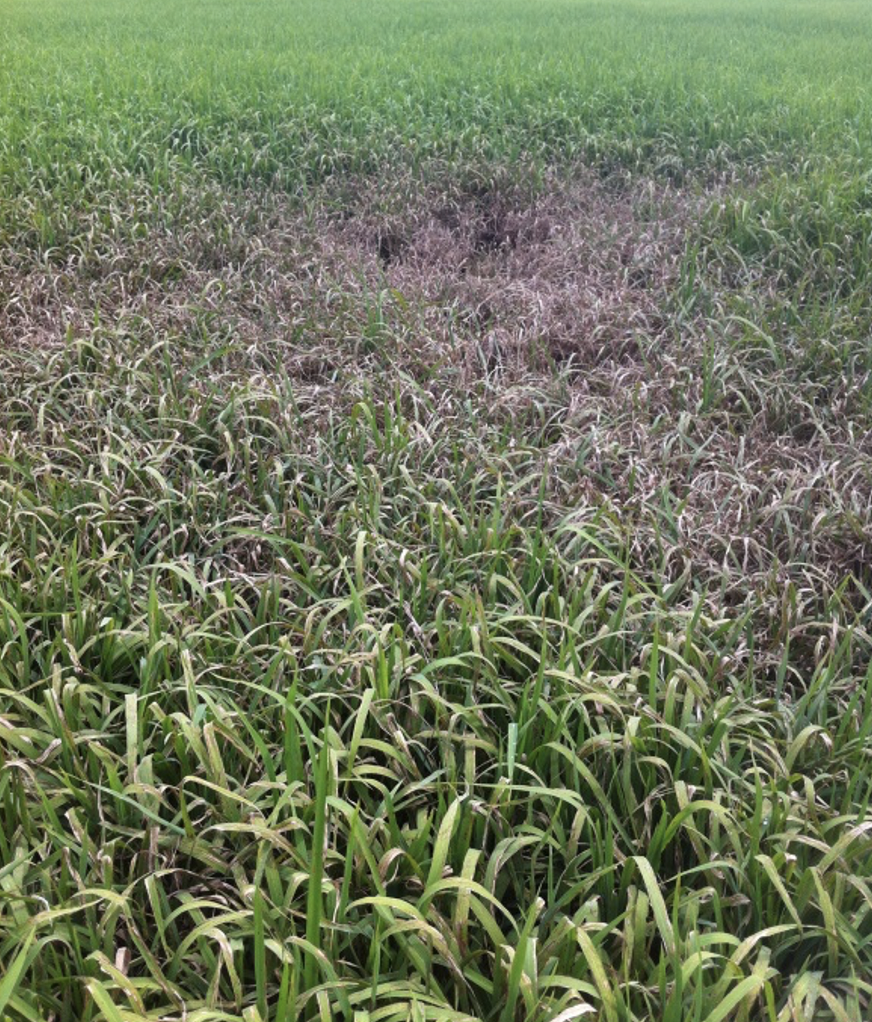
Fig. 4. Leaf blast symptoms can easily be detected on lower leaves where dew stays longer.
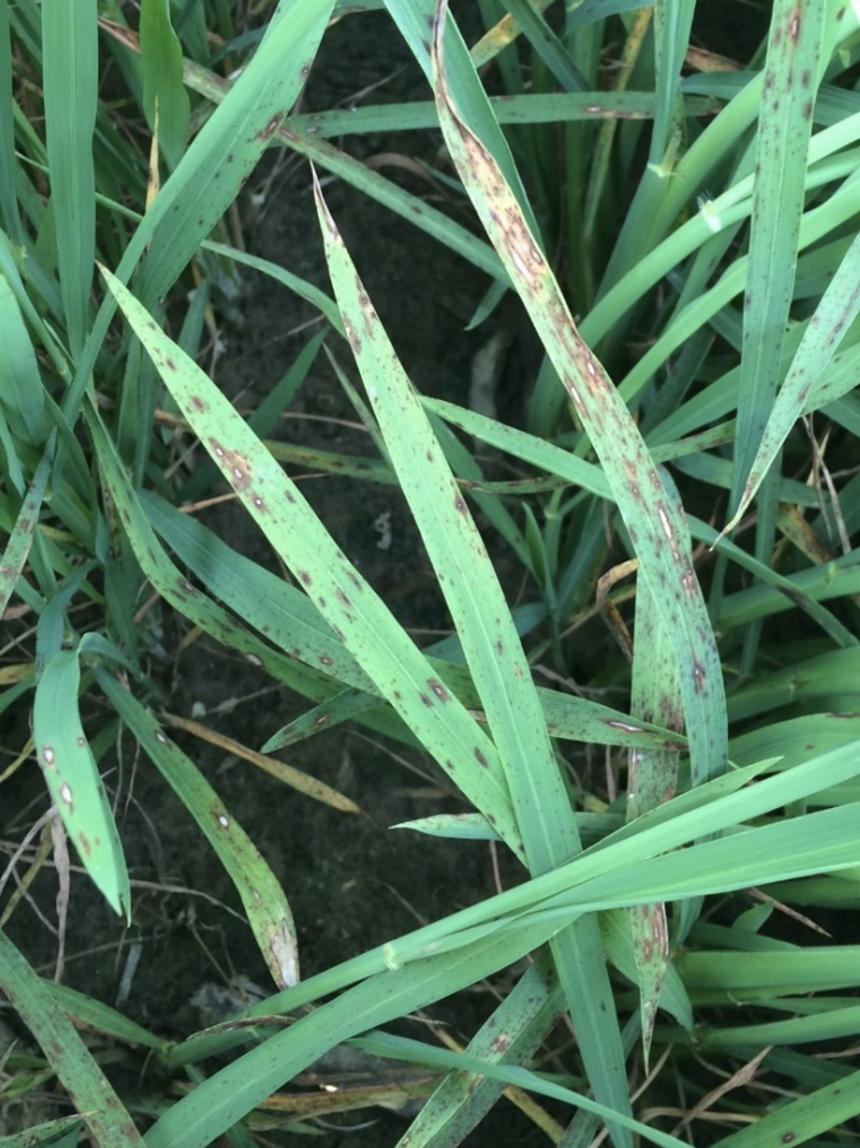
Fig. 5. Typical lesion of leaf blast. (In memory of Jared Ford, Rice consultant in Woodruff CO.)
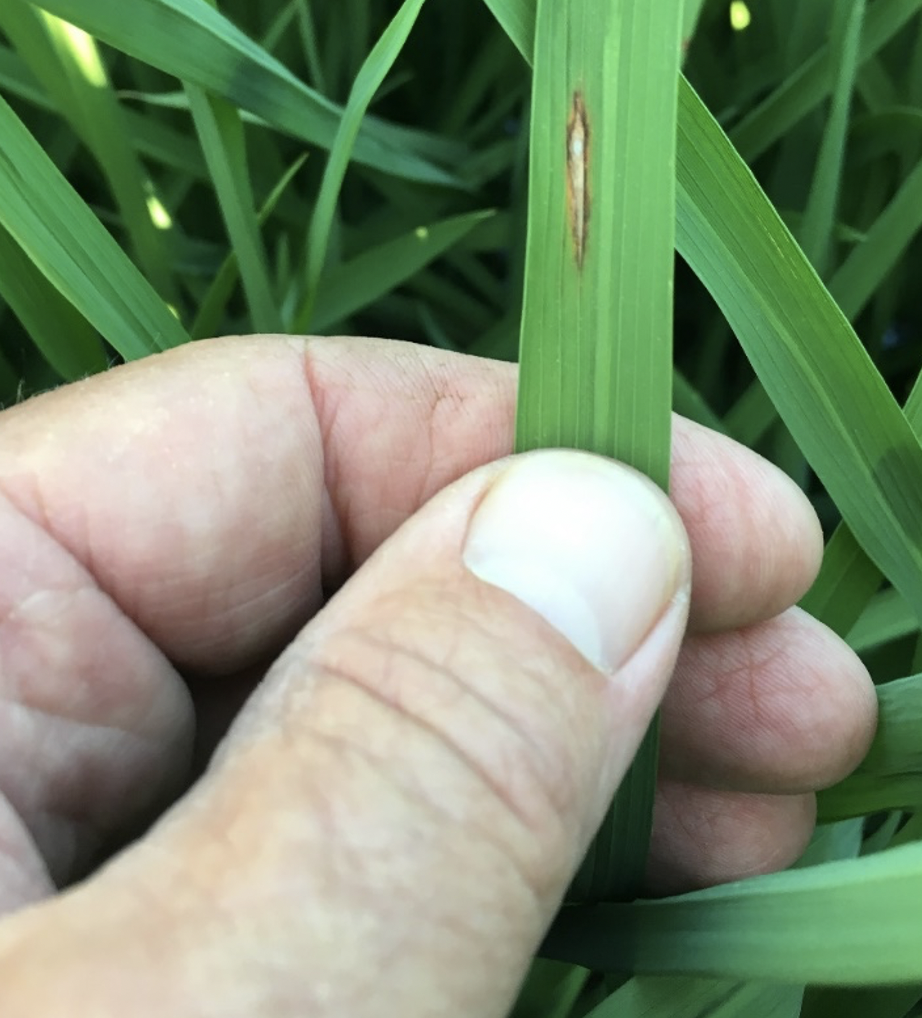
Fig. 6. Rice leaf blast coalesced lesions.