Arkansas Rice Update 4-17-26
Arkansas Rice Update 2026-06
April 17, 2026
Jarrod Hardke, Scott Stiles, & Bob Scott
“It was flooding in the desert just a year ago, so we’re one day closer to rain.”

Powder Keg
“Everyone has a plan until they get punched in the mouth.” -- Mike Tyson
The plan was dropped quickly this year, and each new plan has been hit with another punch. Flushing has taken off this week with more planned for next week if we mostly miss on this weekend’s rain chances (which are light on expected totals to begin with). I don’t recall a recent year where this much flushing was even considered, much less actually happened. Makes sense given none of us remember one quite this dry at this point, but it’s still a shock. So often about the time we start getting a flush across some fields a meaningful rain will pop up. Not so far this year.
While keeping in mind that it’s still only mid-April, the acreage outlook is not improving. If nothing changes to provide some soil moisture, and possibly add water back to surface water sources, we could be looking at a fall to 750,000 acres. Again, there is still time for things to change to a certain degree in favor of more rice acres than that, but they’ll need to happen fast.
Planting progress pace on Monday (40%; Fig. 1) fell below my expectation of keeping up with record years but is still 4th fastest since 2013. Pauses for rain chances this week that didn’t materialize into much seemed to slow some further potential rapid planting. Progress should resume steadily next week, but as we approach the end of April, and with it typically the end of our best yield potential, how many will continue pursuing rice planting?
The 7-day rainfall outlook (Fig. 2) still leaves us wanting. Longer term weather outlooks for the upcoming months paint a neutral picture for rainfall chances, so we’ll need to hope that this system set up over Arkansas and the Southeast gives way to allow rain systems to move across the delta.
I’ll save some good news to report one day. I just know it…
In this update is info on plant stands, weed control and herbicide sensitivity, and rice markets.
Bonus link: USDA April Outlook for 2025 PLC Payments
Let us know if we can help.
Fig. 1. Arkansas rice weekly planting progress, 2013-2026.
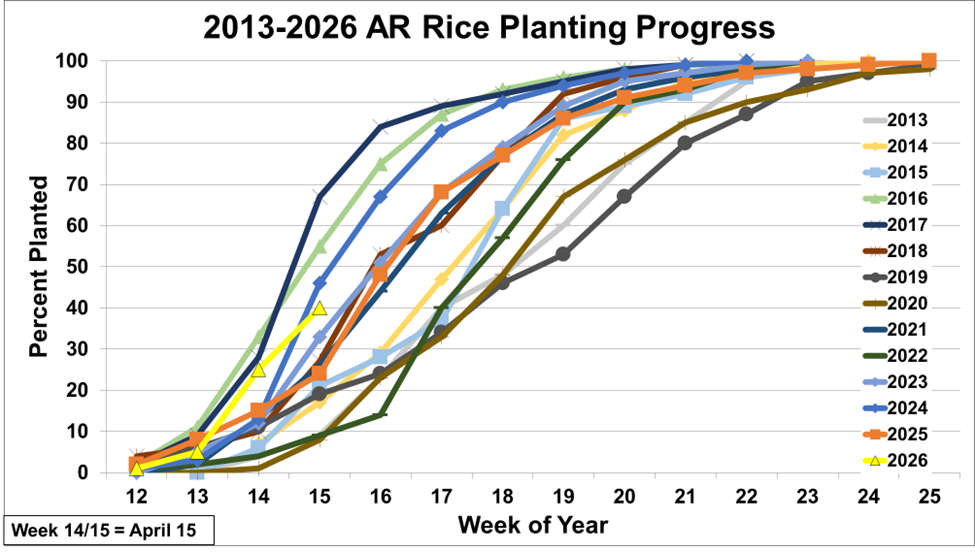
Fig. 2. NOAA 7-day precipitation forecast.
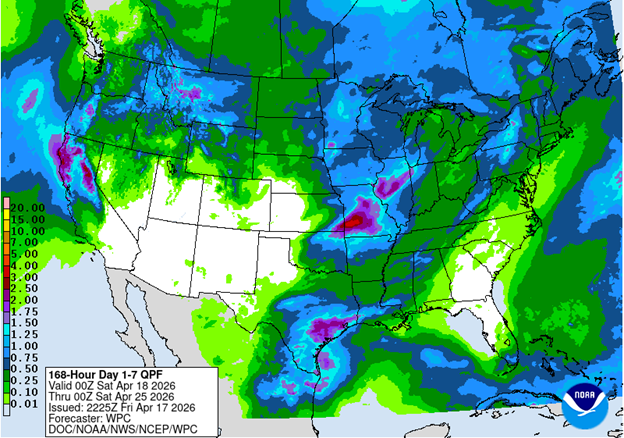
Fig. 3. Flushing rice fields for stand establishment and herbicide activation.
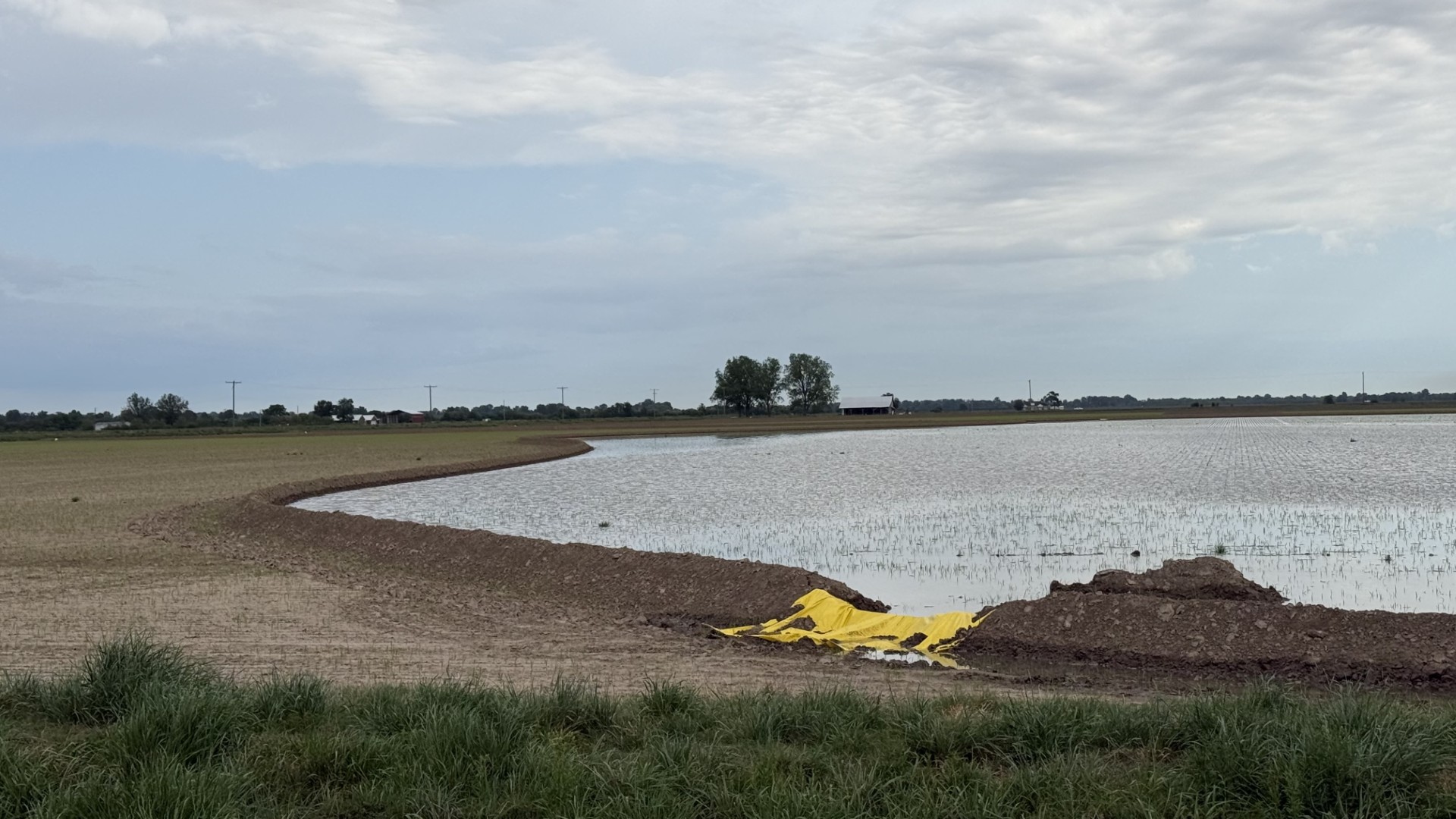
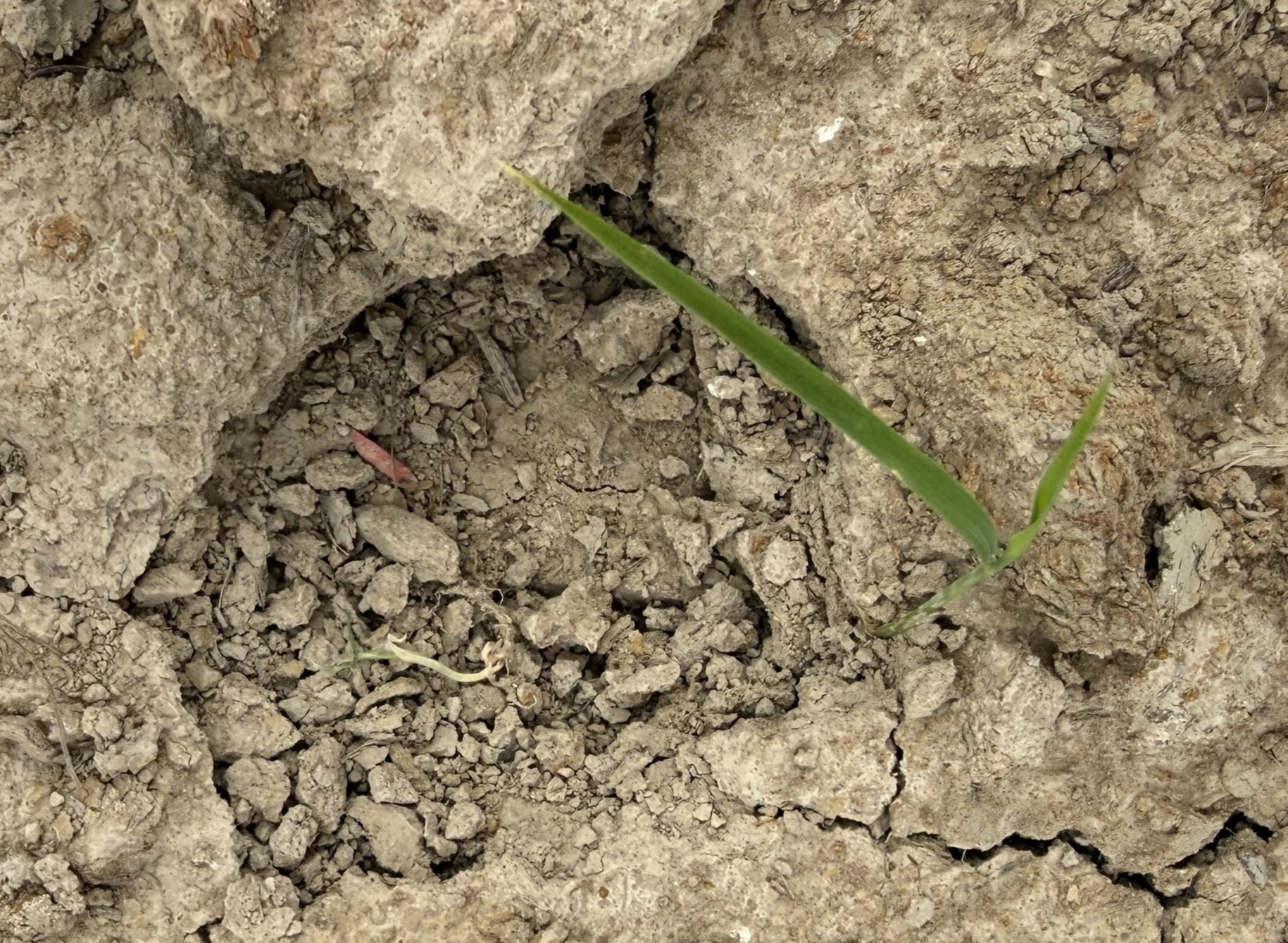
Fig. 4. Rice emergence issues from dry, crusting soils with emerged plants, seedlings trapped under crust, and seed not yet germinated.
Stand Counts to Keep
Jarrod Hardke
Given stand establishment difficulty so far, the question of “how much rice is enough” is getting asked more and more. While there are times that can be a cultivar-specific question, we can make some generalizations from seeding rate date in recent years.
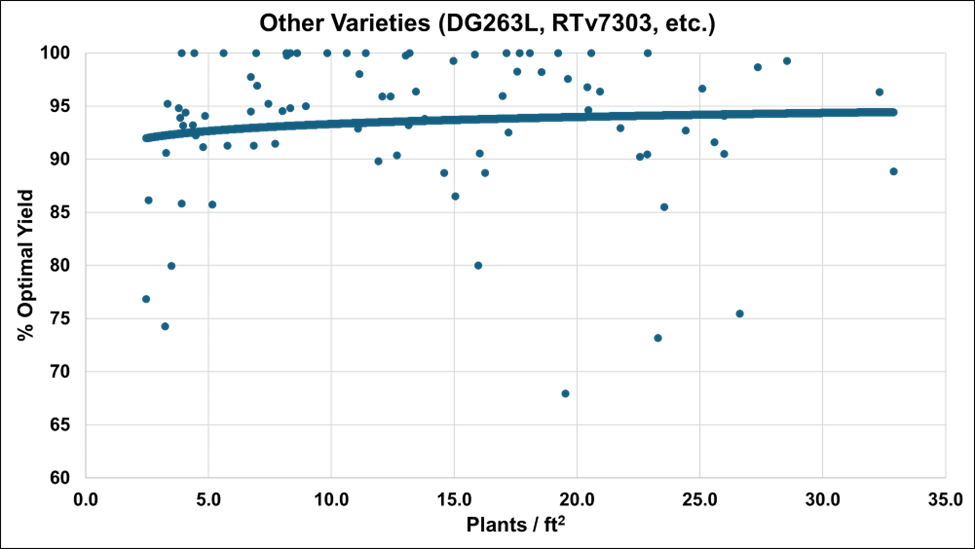
As a general rule when making replant decisions at the end of April or beginning of May, we recommend keeping a stand of 5 plants/ft2 for pureline varieties (e.g. Ozark, CLL18, etc.); and keeping a stand of 3 plants/ft2 for hybrids (e.g. RT7302, RT7521FP, etc.); and keeping a stand of 4 plants/ft2 for other varieties (DG263L, RTv7303, etc.). Fig. 5, 6, 7 below show the summarized data for 2022-2025 from standard seeding rate studies. Fig. 5 is for pureline varieties and includes data from CLL18, CLL19, CLM05, Ozark, ProGold L4, ProGold M3, PVL04, PVL06, and Taurus. Fig. 6 is for hybrids and includes data from RT 7321 FP, RT 7421 FP, RT 7521 FP, RT 7302, RT 7331 MA, and RT 3202. Fig. 7 is for “other” varieties and includes data from DG263L, DG563PVL, RTv7231MA, and RTv7303.
The recommended “keepable” stand for each category points toward 90% or greater optimal yield. When considering the potential costs of replanting, and yield decline from later planting dates, keeping these stand levels appears to be the more economical approach.
Fig. 5. Optimal yield by plant stand for pureline rice varieties in seeding rate trials, 2022-2025.
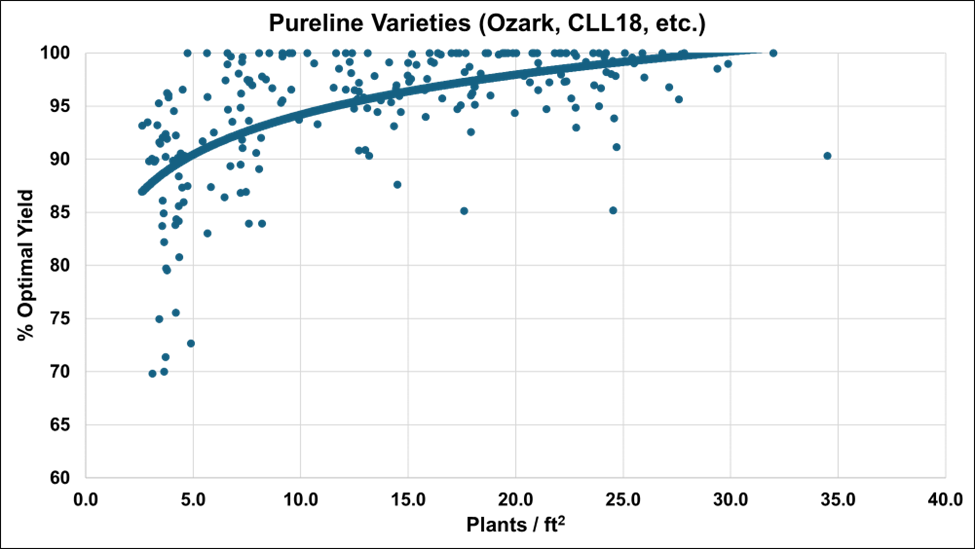
Fig. 6. Optimal yield by plant stand for hybrids in seeding rate trials, 2022-2025.
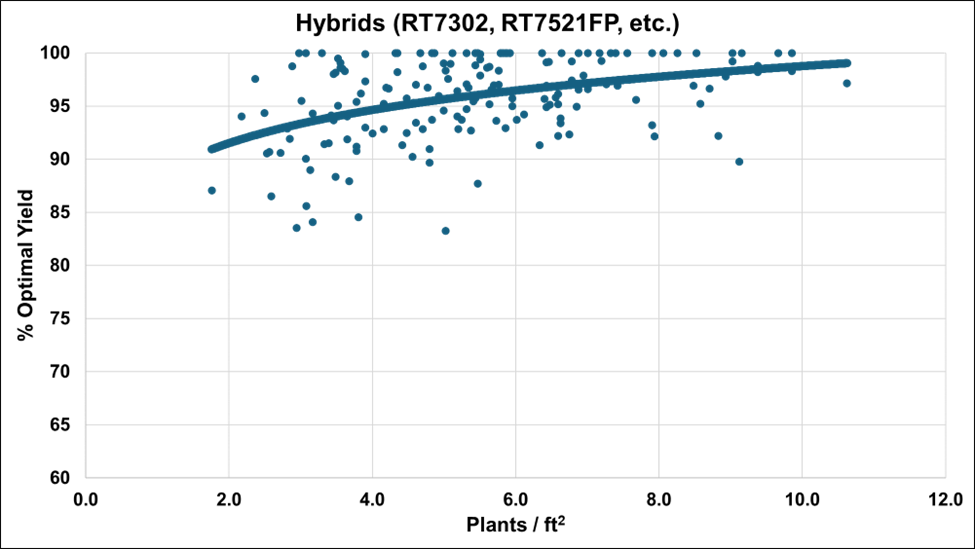
Fig. 7. Optimal yield by plant stand for other varieties in seeding rate trials, 2022-2025.
Bobbing and Weeding
Bob Scott
“Money talks.” I can confirm this – mine usually says goodbye! Even though some aeras got rain Thursday, dry conditions are continuing to plague us this spring in terms of rice weed control. Not only have the PRE treatments not been activated but calls are coming in about POST burndown efforts that are falling short. Drought-stressed weeds are harder to kill. I also have never seen levees go up and flushing begin this early at least not in a long time. I hope this pattern changes soon or we are in for an expensive weed control year.
My first piece of advice is to try and start as weed free as possible. Grass and sedges seem to be emerging even without the rain and as I mentioned before are proving to be difficult to control under dry conditions. But a good burndown prior to rice emergence is hard to beat. Side note: the wind has been helping us out a lot too…sarcasm. Be sure to check out the table on P. 29 of the 2026 MP44 for a list of major crop sensitivities to herbicides to avoid bad drift situations. Sharpen going out a lot ahead of planting is pretty good on annual sedge, in addition the PRE rates (3-4 oz/ac) are much better than the POST rate of 1 oz/ac if you can get it out prior to rice emergence.
If you are putting out a PRE do not let it lay there more than a few days without flushing it in. If you plan to flush you might as well load up that PRE with a combination of products for both broadleaf and grass residual control.
We can discuss more on POST treatments next week but remember that many of these herbicides require rice to be at least 2-3 lf growth stage prior to application. If injury is an issue then drought stress or any stress for that matter can make the issue worse, so it’s important to check the label or MP44 to make sure the rice is big enough for whatever you’re about to spray.
Market Update
Scott Stiles
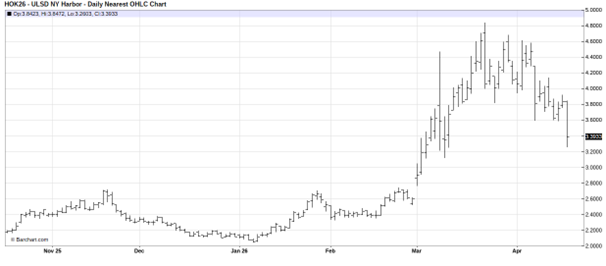
Some discussion on fuel is a good place to end the week. The announcement Friday morning that the Strait of Hormuz was open for all commercial vessel traffic sent crude oil as well as diesel and gasoline prices sharply lower. At one point, May diesel futures were down more than 50 cents. At the time of this writing (Friday a.m.), May diesel trades near $3.40/gallon—a welcome sight compared to $4.83 on March 23rd. The markets trade headlines and today sentiment is optimistic on a 10-day ceasefire between Israel and Lebanon. Of course, that can all change over the weekend. We continue to watch for an eventual return to the March 2nd chart gap between $2.6183 and $2.7650 in nearby diesel futures.
Figure 8. NYMEX Diesel Futures, Nearby Daily Contract.
Rice Futures:
May rice has found support this week at the $10.65 level. Friday morning, the May contract was up 20 cents at $11.04/cwt. Resistance is showing up at $11.02 to $11.05, which is where both the 20 and 50-day moving averages cross. Heavy resistance will be at the $11.40 to $11.45 area where rallies were capped in March. Old crop cash bids are in the $4.43 to $4.49/bu range at local elevators. Mill and Mississippi River bids hover around $4.55/bu.
September rice bounced off $11.33 ½ early in the week and now tries get through the 20 and 50-day moving average at $11.70/cwt. Above there, a chart gap remains open at $11.89 to $11.92. The anchor on old crop is the large carry-over of 41.6 million cwt., driven largely by slow export demand during this marketing year. The heavy old crop stocks will also be a headwind for new crop prices—at least until more is known about 2026 acres. New crop mill bids for fall 2026 delivery are close to $5.00 per bushel. Early 2027 mill offers are near $5.25 per bushel. Fall delivery bids at local driers are currently in the $4.86 to $4.92 range. It’s encouraging to see fuel costs pull back this week. Relief in nitrogen and phosphate fertilizer prices will be slower to occur.
U.S. Planting Progress:
Monday’s Crop Progress had the U.S. rice crop at 42% planted through Sunday, April 12th. That is up 12% from the previous week and compares to 31% planted a year ago. Arkansas was at 40% planted (v. 20% 5-yr avg.). Planting in all Midsouth states is ahead of last year and the 5-year average on abnormally dry conditions, above normal temperatures and a sharp reduction in rice acres. The March Prospective Plantings survey had 2026 U.S. long-grain acres down 22% from last year and the lowest since 1983.
Table 1. Rice Planted, Week Ending April 12, 2026.
|
State (% planted) |
April 12, 2026 |
Last Week |
Last Year |
5-year avg. |
|---|---|---|---|---|
|
Arkansas |
40 |
25 |
23 |
20 |
|
Louisiana |
83 |
75 |
80 |
74 |
|
Mississippi |
55 |
28 |
23 |
17 |
|
Missouri |
21 |
9 |
5 |
12 |
|
Texas |
58 |
50 |
69 |
63 |
|
U.S. |
42 |
30 |
31 |
28 |
|
Source: USDA NASS, Crop Progress, April 12, 2026. |
||||
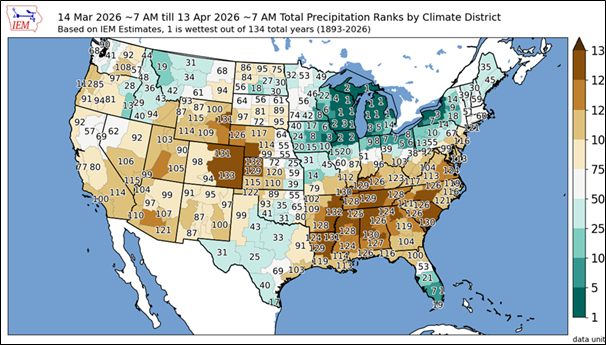
To emphasize how dry it has been this spring in eastern Arkansas, the stretch from March 14th to April 13th ranked the 132nd driest out of the last 134 years on record.
Fig. 9. Total Precipitation Ranks, 14 Mar to 13 Apr, 1893-2026.
DD50 Rice Management Program is Live
The DD50 Rice Management Program is live and ready for fields to be enrolled for the 2026 season. All log-in and producer information has been retained from the 2025 season, so if you used the program last year you can log in just as you did last year. Log in and enroll fields here: https://dd50.uada.edu.
Use the Arkansas Rice Advisor Internet App!
The Arkansas Rice Advisor site https://riceadvisor.uada.edu functions like an app on your mobile device. There you can readily access the DD50 program, rice seeding rate calculator, drill calibration, fertilizer and N rate calculators, publications, and more.
Additional Information
Arkansas Rice Updates are published periodically to provide timely information and recommendations for rice production in Arkansas. If you would like to be added to this email list, please send your request to rice@uada.edu.
This information will also be posted to the Arkansas Row Crops blog (http://www.arkansas-crops.com/) where additional information from Extension specialists can be found.
More information on rice production, including access to all publications and reports, can be found at http://www.uaex.uada.edu/rice.
Acknowledgements
We sincerely appreciate the support for this publication provided by the rice farmers of Arkansas and administered by the Arkansas Rice Research and Promotion Board.
The authors greatly appreciate the feedback and contributions of all growers, county agents, consultants, and rice industry stakeholders.
Specialist |
Area |
Phone Number |
|
|---|---|---|---|
|
Jarrod Hardke |
Rice Extension Agronomist |
501-772-1714 |
|
|
Tom Barber |
Extension Weed Scientist |
501-944-0549 |
|
|
Nick Bateman |
Extension Entomologist |
870-456-8486 |
|
|
Ralph Mazzanti |
Rice Verification Coordinator |
870-659-5507 |
|
|
Trent Roberts |
Extension Soil Fertility |
479-935-6546 |
|
|
Bob Scott |
Extension Weed Scientist |
501-837-0273 |
|
|
Scott Stiles |
Extension Ag Economics |
501-258-8455 |